
What Is Osteopathy and How Does It Work? A Clear Patient Guide
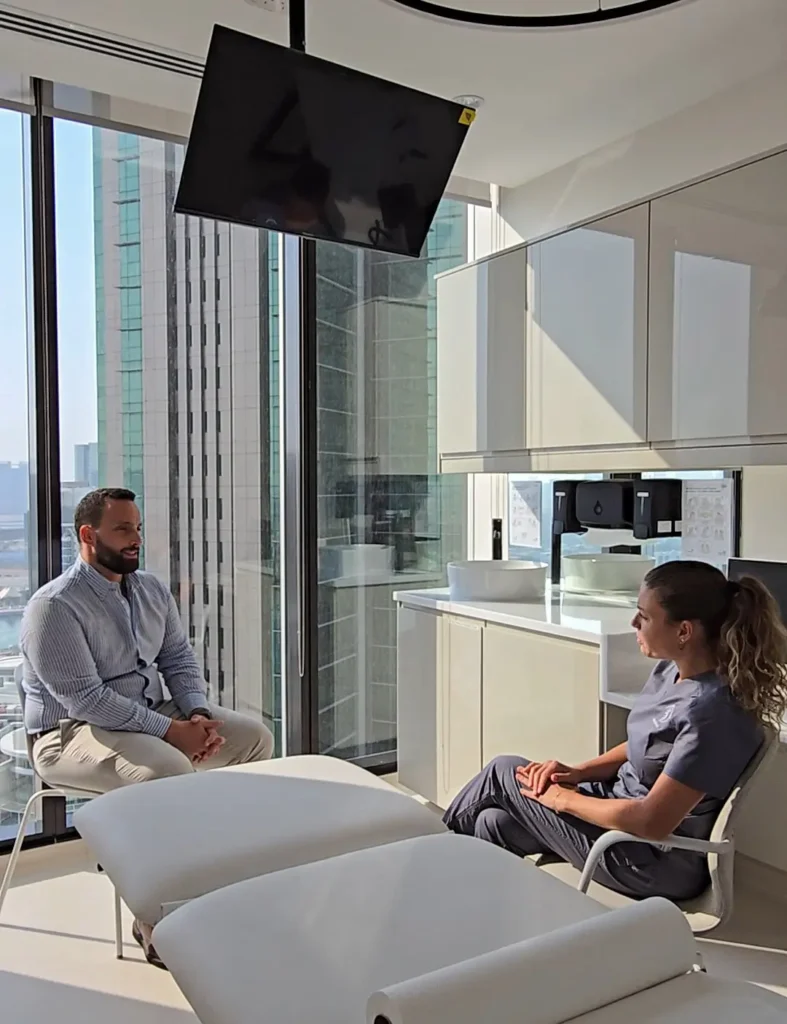
If you have heard about osteopathy but are unsure what it actually involves, you are not alone. This guide explains what osteopathy is, how it works in practice, what an osteopath assesses, and when another type of medical care may be more appropriate.
Quick answer
Osteopathy is a form of hands-on healthcare focused mainly on the musculoskeletal system—your muscles, joints and related tissues—and how these affect movement and function. An osteopath combines a health history and physical assessment with techniques such as movement, stretching, soft-tissue work and joint mobilisation. Advice about activity, exercise or lifestyle may also form part of an individual plan.
Key takeaways
- Osteopathy is assessment-led and should be adapted to your symptoms, health history, goals and preferences.
- Treatment is usually hands-on, but education, exercise and self-management can be equally important.
- It is most commonly considered for musculoskeletal pain, stiffness or movement problems.
- Evidence varies by condition; manual therapy is not a cure and does not replace necessary medical assessment.
- A responsible osteopath should recognise warning signs and refer you when treatment is not suitable.
What is osteopathy?
Osteopathy is a patient-centred approach to assessing and managing health problems, particularly those involving muscles, joints and movement. The General Osteopathic Council describes it as a system of diagnosis and treatment that considers the relationship between the musculoskeletal system and other body systems.
In practical terms, an osteopath does not simply apply the same technique to every painful area. The consultation should consider how your symptoms started, what makes them better or worse, how they affect daily life, your medical history, medication, previous injuries and what you want to return to doing.
Osteopathy is not the same as a general medical consultation, emergency care or surgery. It should complement—not delay—appropriate assessment by a doctor or another healthcare professional when symptoms fall outside an osteopath’s scope.
How does osteopathy work?
There is no single mechanism that explains every response to osteopathic care. A treatment plan may aim to improve comfortable movement, reduce sensitivity, manage muscle tension and help you return gradually to normal activity. Hands-on techniques may change how an area feels or moves in the short term, while advice and exercise can support longer-term self-management.
Your response can depend on the condition, how long symptoms have been present, general health, sleep, stress, activity levels and other clinical factors. Individual responses vary, and improvement cannot be guaranteed.
| Part of care | What it may involve | Why it is used |
|---|---|---|
| Clinical discussion | Symptoms, health history, medication, work, activity and goals | To understand the problem and screen for concerns |
| Physical assessment | Observation, active movement and examination of relevant joints and tissues | To identify findings that may guide care |
| Hands-on treatment | Soft-tissue techniques, stretching, mobilisation or other suitable methods | To support movement, comfort or function |
| Self-management | Activity guidance, exercise, pacing or ergonomic advice | To help you manage symptoms between visits |
What does an osteopath assess?
An osteopath may assess the painful area and related regions, depending on your history. For example, a person with back pain may be asked to perform simple movements while the osteopath observes range, control and symptom response. The practitioner may then examine relevant muscles, joints and soft tissues by hand.
The assessment may include:
- the location, nature and behaviour of your symptoms;
- movement, mobility, strength or neurological signs where relevant;
- previous injury, surgery, medical diagnoses and medication;
- work demands, sport, daily activity, sleep and other contributing factors;
- warning signs that require medical investigation or referral.
You should receive an understandable explanation of the findings, reasonable options, expected benefits and possible risks before agreeing to treatment. You can ask questions, decline a technique or withdraw consent at any time. For clinic-specific preparation, read what to expect at your first visit.
What may osteopathic treatment involve?
Technique choice depends on the assessment and your preferences. Treatment may include soft-tissue work, stretching, joint mobilisation, muscle-energy techniques or, where clinically suitable and consented to, a faster joint technique. Not every technique is appropriate for every person, and treatment does not have to involve joint “clicking.”
At Osteopathic Perfect Balance Medical Centre, the listed approaches include manual therapy, muscle-energy techniques and structural osteopathic techniques. The practitioner should explain why a method is being considered and offer alternatives where appropriate.
Good care is more than treatment done to you. Depending on the assessment, your plan may include graded activity, exercises, pacing or practical changes at work and home. These measures can help you take an active role in managing the problem.
What problems may people consult an osteopath about?
Adults commonly seek osteopathic assessment for musculoskeletal concerns such as back or neck pain, joint stiffness, muscle discomfort, movement restrictions or some activity-related injuries. Whether osteopathy is appropriate depends on the likely cause, the clinical assessment and your broader health.
It is more accurate to ask whether a specific treatment plan is reasonable for a specific person than to assume osteopathy “treats” every condition. For information about the clinic’s scope, visit the Adult Osteopathy service page.
What does the evidence say—and what are the limitations?
Evidence is stronger for some musculoskeletal problems than for many non-musculoskeletal claims. For low back pain with or without sciatica, NICE guidance says manual therapy may be considered, but only as part of a treatment package that includes exercise, with or without psychological therapy.
This distinction matters: a hands-on technique may form one part of care, but it should not automatically be presented as a stand-alone cure. Research findings cannot predict an individual outcome, and evidence for one condition should not be applied to unrelated symptoms.
The NHS notes that osteopathy uses massage and stretching in attempts to treat injuries, improve movement and relieve pain, while also cautioning that complementary approaches are not suitable for everyone. Claims that osteopathy can reliably cure internal disease, permanently “realign” the body or replace prescribed medical treatment are not supported by this patient guide.
Who may—or may not—be suitable for osteopathy?
Osteopathy may be considered when a musculoskeletal problem is affecting comfort, movement or daily activity and an assessment suggests that conservative care is appropriate. Technique choice should be modified for your age, health, tissue condition, preferences and current symptoms.
Extra caution or a different approach may be needed if you take blood-thinning medication, have a higher bleeding risk, fragile or seriously damaged bones or joints, a nerve disorder, a recent fracture, acute trauma, infection, cancer, inflammatory disease, pregnancy-related concerns or significant cardiovascular or neurological conditions. This list is not exhaustive. Tell the practitioner about diagnoses, medication, surgery and recent changes in health before treatment.
Temporary soreness, fatigue or a headache can occur after some manual techniques. More serious complications are uncommon but possible, which is why benefits, alternatives and material risks should be discussed before you consent.
When should you seek medical attention first?
Seek urgent medical assessment rather than booking routine osteopathy if pain follows serious trauma, becomes severe very quickly, is accompanied by chest pain, fever or feeling very unwell, or occurs with new neurological symptoms.
For back pain, emergency warning signs include weakness or numbness in both legs, loss of feeling around the genitals or anus, or new bladder or bowel changes. In the UAE, call 998 for an ambulance in a medical emergency.
Unexplained weight loss, persistent night pain, a history of cancer, progressive weakness or symptoms that are not improving also warrant medical review. If you are uncertain, contact a doctor or an appropriate urgent-care service.
Considering osteopathy in Abu Dhabi?
Osteopathic Perfect Balance Medical Centre is located on the 21st Floor of Tamouh Tower, Marina Square, Reem Island, Abu Dhabi. Before choosing care, consider whether the clinic’s scope matches your concern, what the assessment will include, how progress will be reviewed and when referral would be recommended.
You can review the osteopathy team and check the clinic’s contact and location details before arranging a visit.
Your next step
If pain, stiffness or restricted movement is affecting your daily life, an individual assessment can help determine whether adult osteopathy may be appropriate. If you are unsure which service fits your symptoms, contact the clinic before booking.
Frequently asked questions
Is osteopathy the same as physiotherapy?
No. Both may help people with musculoskeletal problems, and their assessments or techniques can overlap, but education, training, professional scope and treatment emphasis can differ. The most appropriate option depends on your condition, goals and the individual clinician’s expertise.
Does osteopathic treatment hurt?
Treatment should be discussed and adapted to your comfort. Some techniques may feel firm, and temporary soreness can occur afterwards. Tell the osteopath immediately if something feels painful or you want the technique changed or stopped.
Does osteopathy always involve cracking joints?
No. Osteopathic care may include soft-tissue techniques, stretching, mobilisation, exercise advice and other approaches. A faster joint technique is only one option and should be used only when suitable and with your informed consent.
How many osteopathy sessions will I need?
There is no universal number. It depends on the assessment, the nature and duration of the problem, your goals and how you respond. Progress should be reviewed, and the plan should be changed or stopped if care is not helping.
Do I need a scan before seeing an osteopath?
Not routinely. Many musculoskeletal problems can first be assessed using a health history and physical examination. If the findings suggest that imaging or medical investigation is needed, the practitioner should refer or advise you appropriately.
Can I see an osteopath while taking medication?
Often, yes, but you should disclose all medication and relevant conditions. Blood thinners and some health problems may change which techniques are suitable. Do not stop prescribed medication without speaking to the clinician who prescribed it.
Medical review
Confirmation required before publishing. Add the confirmed osteopathic clinician’s full name, verified credentials and medical-review date in WordPress after the reviewer has checked the final article.
References
- General Osteopathic Council: What is osteopathy?
- General Osteopathic Council: What to expect at your appointment
- General Osteopathic Council: Is osteopathy safe?
- NICE NG59: Low back pain and sciatica in over 16s—recommendations
- NHS: Herbal medicines and complementary therapies
This article is for general education and is not a diagnosis or a substitute for individual medical advice.
