
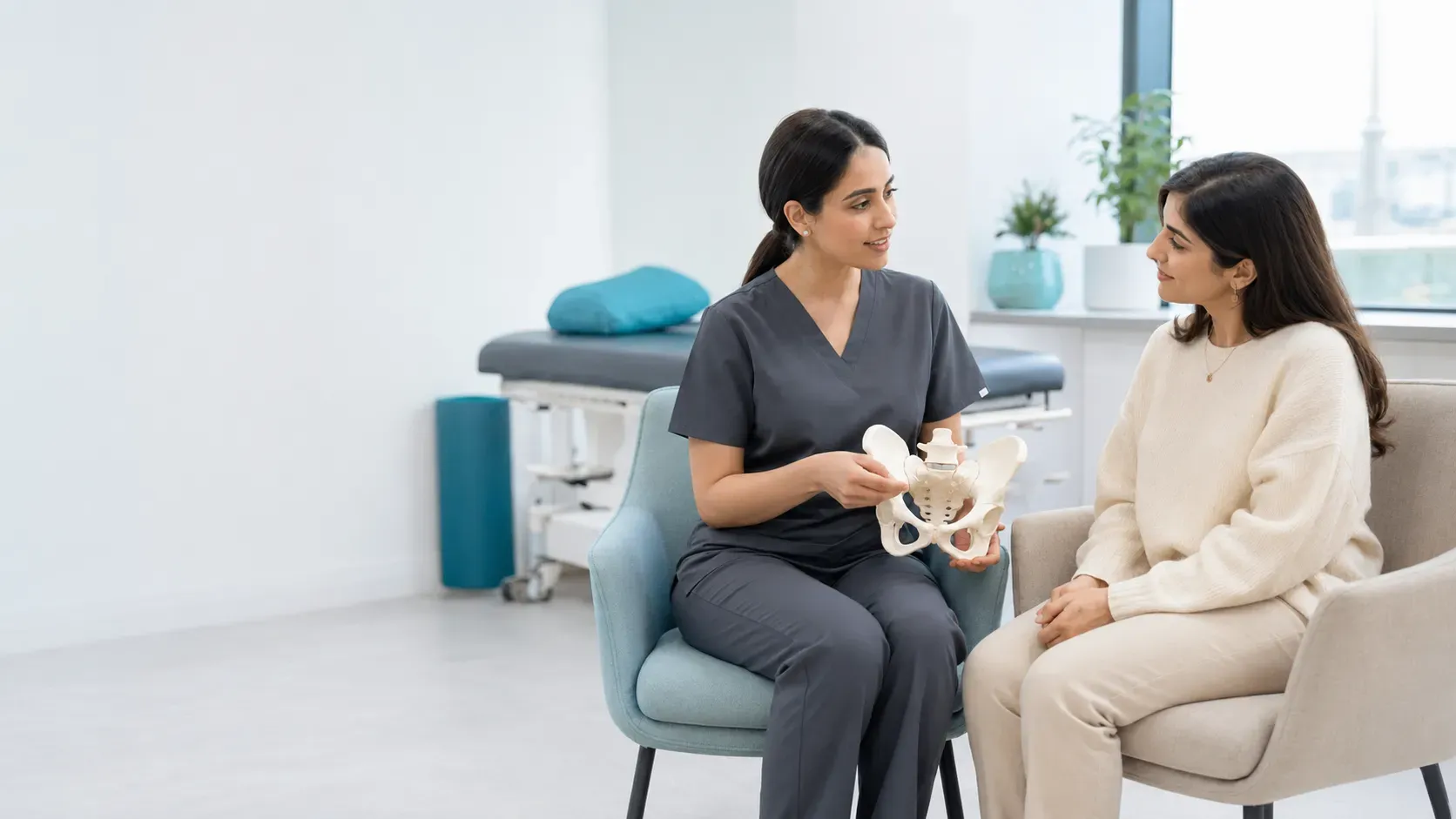
What is vaginismus, and how is it treated?
What is vaginismus, and how is it treated? Vaginismus is an involuntary tightening or guarding response in the pelvic floor muscles when vaginal penetration is attempted or anticipated. It may make using a tampon, having a pelvic examination or engaging in penetrative sex painful, difficult or impossible. Treatment depends on the person and may include medical assessment, pelvic health physiotherapy, gradual exposure and psychosexual support.
Vaginismus is not a choice, and it does not mean that someone is “failing to relax.” Because several conditions can cause pain with penetration, an individual assessment is important before deciding on treatment. This guide explains the symptoms, possible contributing factors and care options, including how pelvic health physiotherapy may support patients in Abu Dhabi.
Key takeaways
- Vaginismus involves an automatic pelvic floor response; the tightening is not deliberate.
- Symptoms may occur with tampons, medical examinations, fingers, sex or the anticipation of penetration.
- Pain with penetration is not always vaginismus, so other possible causes should be considered.
- Treatment is individual and may combine pelvic health physiotherapy, education, gradual exposure, medical care and psychological or psychosexual support.
- Forcing penetration or repeatedly pushing through pain can reinforce fear and muscle guarding.
What is vaginismus?
Vaginismus describes an involuntary tightening of the pelvic floor muscles around the vaginal opening when penetration is attempted or expected. The response can happen before contact or during an attempt to insert a tampon, finger, medical instrument or penis.
The muscles may be able to contract and relax normally at other times. The difficulty is often linked to a protective response in which the body anticipates discomfort or threat. A person may want penetration but still experience tightening, pain, fear or a feeling that there is a physical “block.”
Some diagnostic systems include vaginismus within the broader term genito-pelvic pain/penetration disorder. Clinicians and patients still commonly use “vaginismus” because it clearly describes the penetration-related muscle response. The label is less important than identifying the person’s symptoms, contributing factors and goals.
What are the common symptoms?
The main symptom is involuntary tightening when vaginal penetration is attempted or anticipated. The experience varies from one person to another and may include:
- Difficulty or inability to insert a tampon
- Pain, burning or stinging at the vaginal entrance
- A sensation that penetration is being blocked
- Difficulty tolerating a cervical screening test or pelvic examination
- Painful or impossible penetrative sex
- Fear, anxiety or muscle tension before an attempted penetration
- Avoidance of penetration because of anticipated pain
Some people experience symptoms from their first attempted penetration. Others develop them after a period when penetration was previously comfortable. Vaginismus can occur even when arousal, desire and other forms of sexual activity are comfortable.
Is vaginismus the same as painful sex?
No. Vaginismus is one possible reason for painful or difficult penetration, but the terms are not interchangeable. Pain may also arise from the vulva, vaginal tissues, pelvic organs, nerves or other health conditions.
| Term | What it describes | Why assessment matters |
|---|---|---|
| Vaginismus | Automatic pelvic floor tightening associated with attempted or anticipated vaginal penetration | The clinician considers muscle guarding, pain, fear and any underlying physical condition |
| Dyspareunia | Persistent or recurrent pain before, during or after sex | Pain may be superficial or deep and can have several possible causes |
| Vulvodynia | Persistent vulvar pain without a clearly identifiable cause | Symptoms may coexist with pelvic floor overactivity or vaginismus |
| Vaginal dryness or tissue change | Reduced lubrication or changes in vaginal tissue, including hormonal changes | Medical advice may be needed to identify and manage the cause |
Infections, vulvar skin conditions, hormonal changes, endometriosis, pelvic pain conditions and other medical issues can also cause painful penetration. Frequent or severe pain should be discussed with an appropriate healthcare professional rather than assumed to be vaginismus.
What causes vaginismus?
There is not one universal cause. Vaginismus is often best understood through a biopsychosocial model: physical sensations, pelvic floor responses, thoughts, emotions, previous experiences and the person’s current context may interact.
Possible contributing factors can include:
- Previous painful penetration or repeated attempts despite pain
- Fear of pain, injury, pregnancy or loss of control
- An unpleasant medical examination or difficult birth experience
- Sexual trauma or abuse
- Vaginal infection, inflammation, dryness or another painful condition
- Pelvic floor muscle overactivity or difficulty relaxing the muscles
- Anxiety, stress, shame or negative messages about sex
- Pain following surgery, childbirth or another pelvic health event
Not everyone with vaginismus has experienced trauma, relationship difficulty or a negative sexual experience. Sometimes there is no single clear trigger. Assessment should therefore be respectful and curious, without assuming a psychological cause or blaming the patient or partner.
How is vaginismus assessed?
Assessment usually begins with a private conversation about the symptoms, when they started, what types of penetration are difficult, pain location, medical history and the person’s goals. A clinician may also ask about bladder, bowel, menstrual, pregnancy, childbirth or pelvic-pain symptoms when relevant.
A medical or gynaecological assessment may be recommended to consider infections, skin conditions, hormonal changes or another source of pain. A pelvic health physiotherapist may assess breathing, posture, abdominal and hip function, and the person’s ability to recognise tension and relaxation around the pelvic floor.
Consent comes first: an internal vaginal examination is not automatically required at the first appointment. The clinician should explain each option, obtain consent and allow the patient to pause or stop at any time. An assessment can begin with discussion and external observation when that feels more appropriate.
The aim is not to “prove” that penetration is possible. The aim is to understand the pattern, exclude or refer for other possible causes and agree on a manageable care plan.
How may pelvic health physiotherapy help?
Pelvic health physiotherapy may help some people understand and change the muscle guarding associated with vaginismus. Treatment is not simply a programme of strengthening exercises. When the pelvic floor is overactive or difficult to relax, repeated squeezing exercises may be unhelpful unless an individual assessment shows they are appropriate.
A physiotherapy plan may include:
Education and reassurance
Understanding pelvic anatomy, the pain response and how muscles react to anticipated threat may reduce uncertainty and help the patient regain a sense of control.
Breathing and pelvic floor relaxation
Diaphragmatic breathing, body awareness and pelvic floor “down-training” may help the person recognise unnecessary tension and practise releasing it. The objective is coordination and comfort, not forcing the muscles to relax on command.
Gradual exposure
A clinician may discuss graded, patient-led exposure to touch or penetration. Vaginal trainers—also called dilators—may be used by some patients, beginning at a tolerable level and progressing only when comfortable. They should not be used to push through significant pain.
Biofeedback
Biofeedback may help a patient see or hear information about pelvic floor activity and practise muscle control. A small randomised trial published online in 2024 reported improvement when biofeedback was added to dilator therapy, but this is one study and does not establish a universal protocol.
Manual therapy
External or internal manual techniques may be considered when muscle tenderness or overactivity is relevant. Any internal treatment should be optional, clearly explained and performed only with ongoing consent.
A personalised home plan
The physiotherapist may recommend breathing practice, relaxation, movement, education or graded exposure between appointments. The plan should be achievable and adjusted according to the person’s response.
Does treatment involve other healthcare professionals?
It may. Vaginismus can involve physical, emotional and relational factors, so coordinated care is sometimes more appropriate than one treatment in isolation.
| Main concern | Professional who may contribute |
|---|---|
| Pelvic floor tightening, muscle awareness or difficulty relaxing | Pelvic health physiotherapist |
| Discharge, itching, bleeding, skin change, dryness or another possible medical cause | Gynaecologist, family doctor or another relevant medical professional |
| Fear, trauma, distress or avoidance that needs dedicated support | Qualified psychologist, counsellor or psychosexual therapist |
| Several factors occurring together | Coordinated multidisciplinary care |
Medical treatment may be required when another condition is contributing to pain. Psychological or psychosexual therapy may support fear, trauma, distress or relationship communication. Involving a partner can be helpful for some people, but only when the patient wants this.
What can you do while waiting for an assessment?
- Avoid repeatedly forcing penetration or treating pain as something to “push through.”
- Choose forms of intimacy or sexual activity that feel comfortable and pressure-free.
- Notice whether you hold your breath or tense your abdomen, buttocks or inner thighs when anticipating pain.
- Practise slow, comfortable breathing without trying to force the pelvic floor downward.
- Use an appropriate lubricant if friction contributes to discomfort, while recognising that lubricant does not treat vaginismus itself.
- Do not start intensive Kegel exercises or progress through vaginal trainers without suitable guidance if they increase pain or anxiety.
- Write down when symptoms occur and any related medical symptoms to discuss at the appointment.
Self-help should feel gradual and manageable. Stop an activity if it causes increasing pain, panic, numbness or distress, and discuss the response with an appropriate professional.
What should you expect at a pelvic health physiotherapy appointment?
- A confidential discussion: you can explain the problem in your own words and decide what information you are comfortable sharing.
- Goal setting: goals might relate to tampon use, a medical examination, pain-free intimacy or simply feeling safer and more in control.
- Assessment choices: the physiotherapist explains what could be assessed and asks permission before any physical examination.
- A clear explanation: you should understand the clinician’s findings, any need for medical referral and the proposed treatment options.
- A gradual plan: treatment should begin at a level you can tolerate and progress according to your response.
You can ask questions, request a pause, decline part of the assessment or change your mind at any time.
How long does vaginismus treatment take?
There is no reliable universal number of sessions. The time needed depends on symptom duration, pain, contributing medical conditions, pelvic floor findings, previous experiences, goals, treatment preferences and how the person responds.
Research supports several possible approaches, but the evidence remains varied. An older Cochrane review found that the available trials were too limited to identify one clearly superior behavioural treatment. A more recent systematic review also reported variation across treatment methods and study quality. Progress should therefore be reviewed using the patient’s own goals rather than a promised timeline.
Vaginismus support at Perfect Balance in Abu Dhabi
Perfect Balance Rehabilitation Centre provides women’s health physiotherapy in Abu Dhabi at Tamouh Tower, Marina Square, Reem Island. Depending on the assessment, pelvic health physiotherapy may focus on education, muscle relaxation and coordination, gradual exposure and an individual home plan.
Patients can also review information about sexual dysfunction and pelvic health symptoms, meet Nearida Siv, Women’s and Pelvic Health Physiotherapist, or view the Perfect Balance Rehabilitation Centre location and services.
Physiotherapy may be one part of care. When symptoms suggest a medical condition or would benefit from psychological or psychosexual support, referral or coordinated care may be recommended.
Frequently asked questions
Can vaginismus be treated?
Vaginismus can be treated, but the appropriate approach varies. Care may include education, pelvic health physiotherapy, gradual exposure or vaginal trainers, medical treatment for contributing conditions, and psychological or psychosexual support.
Is vaginismus psychological or physical?
It should not be reduced to either category. Vaginismus involves a real physical muscle response, while pain, fear, stress, previous experiences and medical conditions may influence that response. The combination differs between people.
Can Kegel exercises help vaginismus?
Not automatically. Kegels are pelvic floor contractions and are often prescribed for weakness. Someone with vaginismus may instead need to improve relaxation, coordination and a sense of safety. A pelvic health physiotherapist can assess which exercises are appropriate.
Do I need an internal examination?
An internal examination is not automatically required at the first physiotherapy appointment. Assessment can begin with discussion and external observation. Any internal examination should have a clear purpose, be explained in advance and proceed only with your consent.
Can I use vaginal dilators by myself?
Some people use vaginal trainers independently, but guidance may help with size selection, positioning, relaxation, pacing and progression. Dilator practice should be gradual and should not involve forcing through significant pain or distress.
Can vaginismus start after previously comfortable penetration?
Yes. Symptoms can begin after childbirth, surgery, infection, hormonal or tissue changes, a painful experience, or another pelvic health event. A new change should be assessed so that other possible causes are considered.
Conclusion
Vaginismus is an involuntary protective response that can make vaginal penetration painful or difficult. It is not the patient’s fault, and treatment should never involve pressure or blame. A careful assessment can identify relevant physical, medical and emotional factors and guide a gradual, consent-based plan.
Would you like support with painful or difficult penetration?
A women’s health physiotherapist can discuss your symptoms and help determine whether pelvic health physiotherapy or another referral may be appropriate.
Speak With Our Women’s Health Team
Perfect Balance Rehabilitation Centre, Reem Island, Abu Dhabi
Medical disclaimer: This article provides general educational information and does not replace individual medical assessment, diagnosis or treatment. Painful or difficult penetration can have several causes. Seek advice from an appropriate healthcare professional for persistent, severe, worsening or unexplained symptoms.
References
- NHS. Vaginismus: symptoms, possible causes and treatment. Reviewed May 2024.
- NHS Tayside Sexual and Reproductive Health Service. Self-help guidance for vaginismus and pain with penetrative sex.
- American College of Obstetricians and Gynecologists. When Sex Is Painful.
- Melnik T, Hawton K, McGuire H. Interventions for vaginismus. Cochrane Database of Systematic Reviews. 2012.
- Jokar F, et al. Effectiveness of Biofeedback with Dilator Therapy for Sexual Function in Women with Primary Vaginismus: Randomized Controlled Trial Study. International Urogynecology Journal. 2025;36:557–565. Published online 2024.
- Zulfikaroglu E, et al. Vaginismus treatment: a systematic review and meta-analysis of contemporary therapeutic approaches. The Journal of Sexual Medicine. 2026.

